Sutjeska National Park Hiking Tour with .Cheyf
If you'd rather explore Sutjeska with someone who knows it properly: we organise guided hikes in the national park
The Perućica primeval forest is one of the last ancient forests in Europe – and it's hidden just two hours from Sarajevo. Trees sixty metres tall, three hundred years old, moss on every stone, and at the end of the trail the Skakavac waterfall drops into the valley below. This is not a national park where you stop at a viewing platform, take a quick photo, and move on. Sutjeska is wild, original Bosnia.
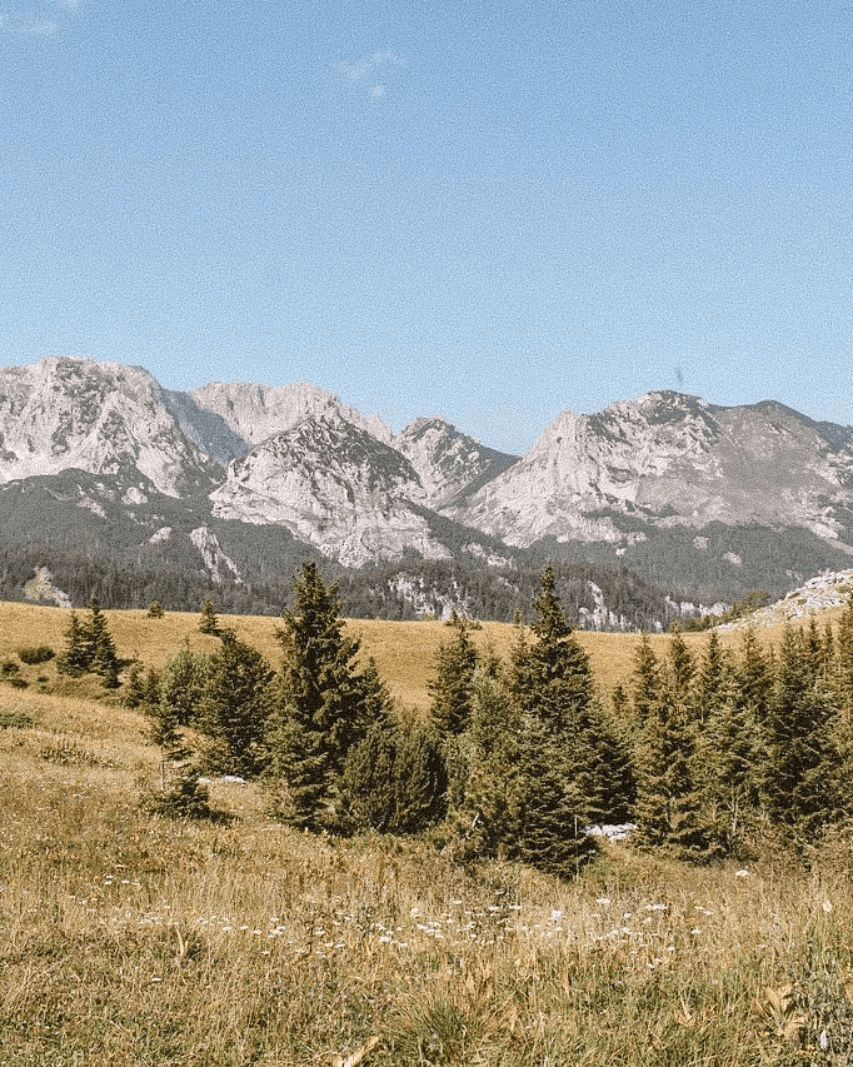
Sutjeska National Park sits in the southeast of the country, in Republika Srpska, and is one of the oldest national parks in Bosnia and Herzegovina and on the western Balkans. Around 200 square kilometres of protected land, right on the border with Montenegro — beech and spruce forest, alpine meadows, wild rivers, and Maglić, at 2,386 metres the Bosnia's highest peak. The Partisan Memorial in Tjentište — a monument to the Partisan struggle in the Second World War — is another reason to stop.
If you want to hike in Bosnia, Sutjeska is non-negotiable.
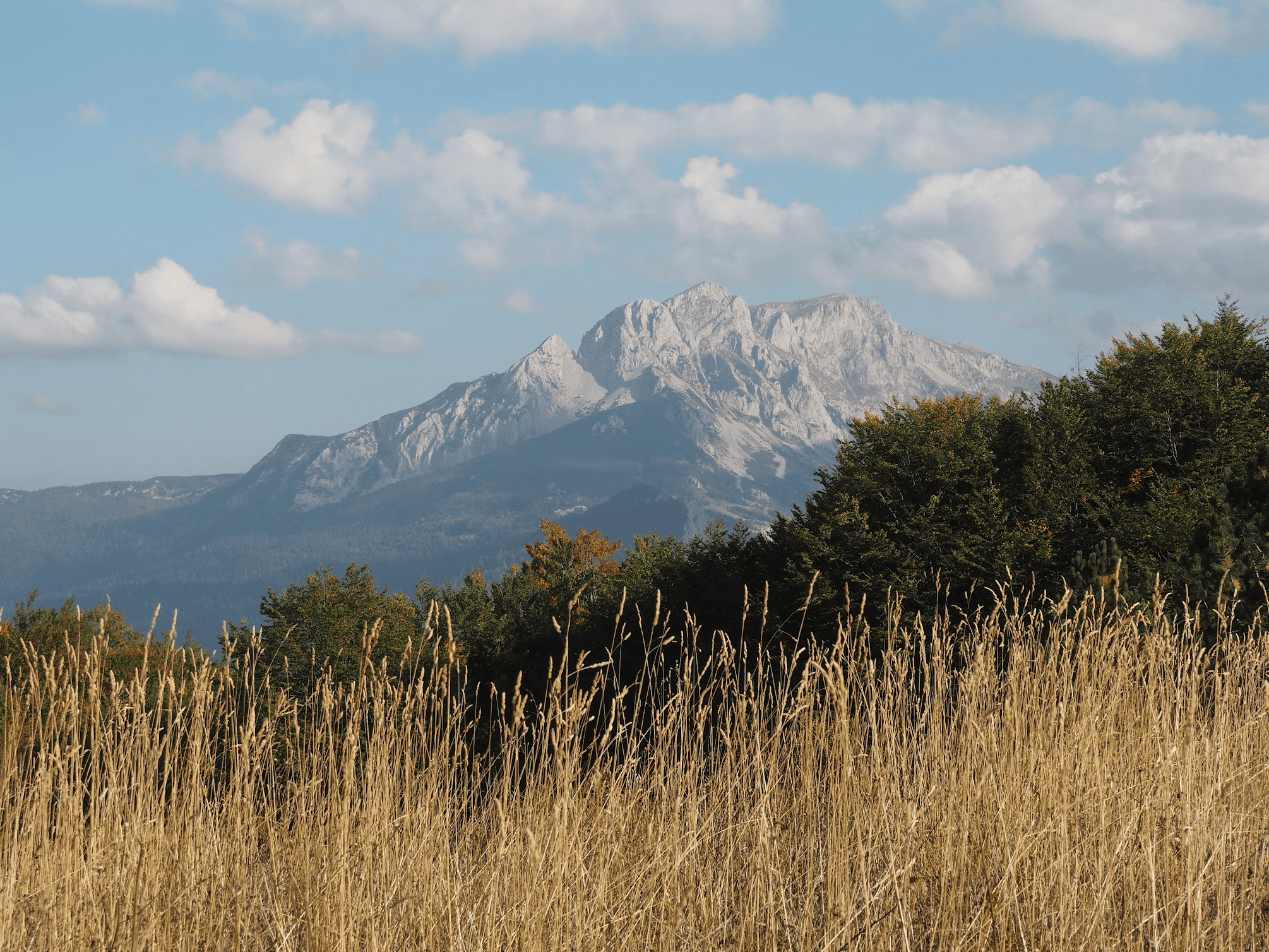
Nature in Sutjeska National Park
The park is home to an exceptional range of flora and fauna: beech and spruce forests, alpine meadows, limestone formations. Bears, wolves, wild boar, roe deer, and chamois all live here — and with a little luck, you'll cross paths with one of them.
The centrepiece is the Perućica primeval forest: around 20,000 years old, barely touched, UNESCO-protected. There are no fixed hiking trails through the Perućica. Entry is only permitted with a certified guide — not as a restriction, but as protection for something that barely exists anymore. Whoever ventures into the primeval forest will redefine the word "untouched" for themselves. We speak from experience.
Sutjeska National Park Hiking Tours
The park offers routes for every level — from shorter day hikes to multi-day mountain traverses. The main trails:
Perućica Primeval Forest & Skakavac Waterfall The Perućica is not a forest you simply stroll through. Entry is only permitted with a certified guide — not as a restriction, but as protection for something that barely exists anywhere anymore. The route leads through dense mixed forest, over roots and rocks, until the Skakavac waterfall drops 98 metres into the valley below. Set off early enough and you'll have the forest to yourself for a while. Duration: approx. 6–8 hours. Difficulty: moderate. Book directly here →
Hike to Skakavac Waterfall The shorter option for anyone who wants to see the waterfall without committing to a full primeval forest day. Through mixed forest, with a steady climb — the route is direct and rewarding. The Skakavac is just as impressive at the end, regardless of which way you arrive. Duration: approx. 4–5 hours. Difficulty: easy to moderate. Book directly here →
Hike to Trnovačko Jezero From above, Trnovačko Lake looks like a heart — that sounds sentimental, but it simply does. At 1,670 metres elevation, framed by sheer rock faces and clear water that mirrors the mountains above. The ascent is long and demanding. Whoever arrives at the top understands why. Duration: approx. 8–10 hours. Difficulty: moderate to strenuous. Book directly here →
Ascent of Maglić (2,386 m) Maglić is the highest point in Bosnia and Herzegovina — and it asks for that respect. No technical climbing, but a long day of elevation gain that requires fitness and mountain experience. On a clear day, the view reaches Montenegro. The border runs directly over the summit. Duration: full day. Difficulty: strenuous.
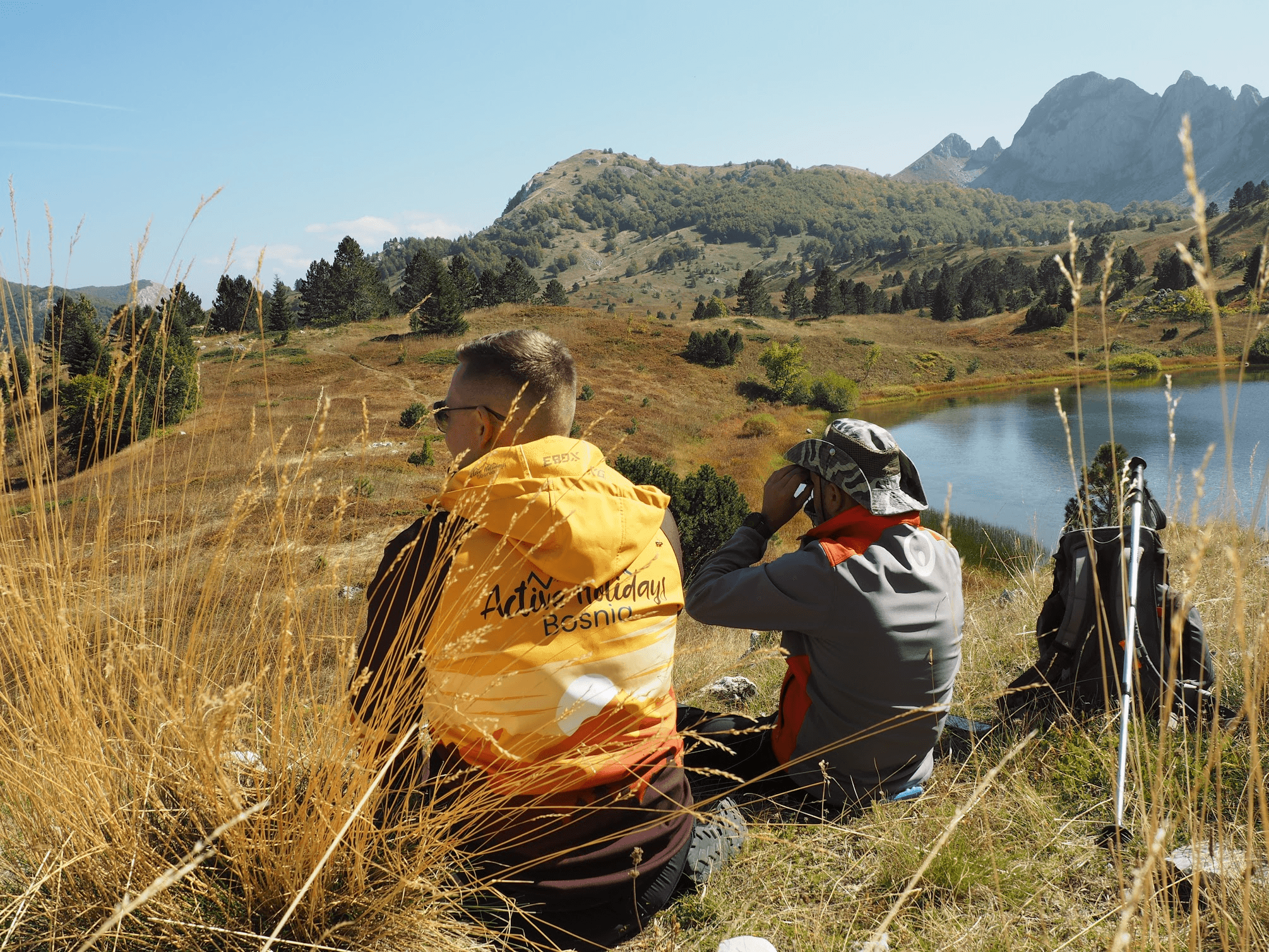
Hike to the Zelengora Lakes The Zelengora mountain range sits in the western part of the national park and is often overlooked even by people who know Bosnia well. Several mountain lakes set in highland meadows, little traffic, a lot of quiet. In early summer the meadows are in full bloom — in autumn the grass turns to reds and golds. One of the most accessible tours in the park, suitable for families with some hiking experience. Duration: 4–6 hours depending on route to the glacial lakes Donje Bare and Gornje Bare. Difficulty: easy to moderate. Book directly here →
The park also has several outstanding viewpoints — including Prijevor, with a panoramic view across the surrounding peaks all the way into Montenegro.
One thing that applies to every route: Sutjeska is not a leisure park. The mountains are wild, weather can shift fast, and wildlife crosses the path. We recommend experienced, certified guides for all tours in this park — not because it's dangerous, but because they make the difference between a good day and an exceptional one.
Safety for Your Hiking Adventure
A few practical things that make a real difference:
Tell someone your planned route before you leave — mobile signal is patchy throughout the park. Solid footwear, waterproof layers, and enough food and water for the full day are non-negotiable. Mountain weather in Bosnia can change dramatically within a few hours, particularly in spring and autumn.
A good guide knows more than just the path. They know which trails become difficult after rain, where the animals tend to be, and when you need to turn back to be down before dark.
Best Time to Hike in Sutjeska National Park
The best time for hiking in Sutjeska National Park is May to October. July and August are warmest with the longest days — ideal for the longer routes. In spring and autumn, snow can still lie on the higher ground.

Cheyf Experiences You Might Like
Choose from our Cheyf Signature Experiences for a hassle-free holiday full of beautiful moments, or design a personalized itinerary tailored to your interests.